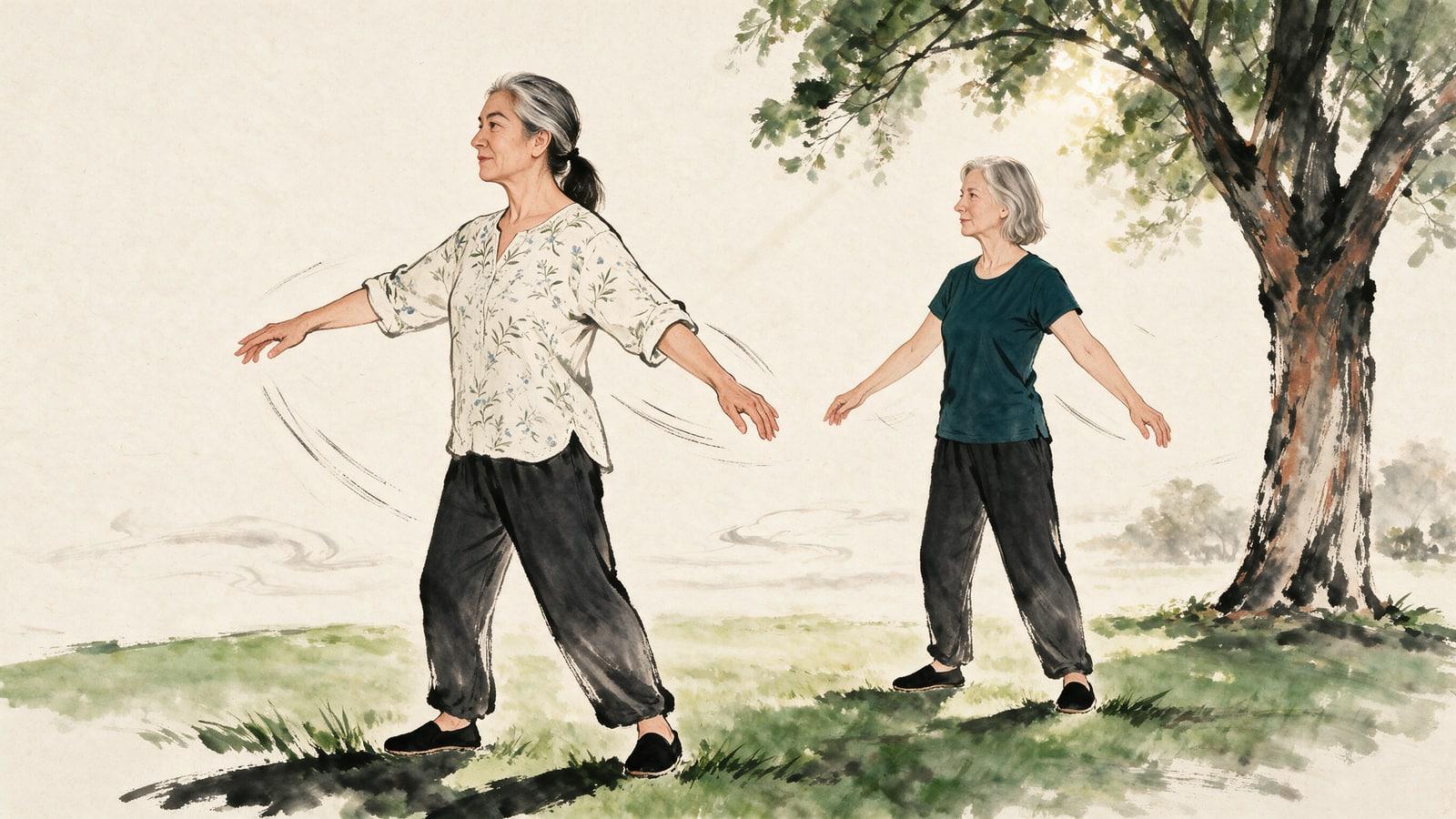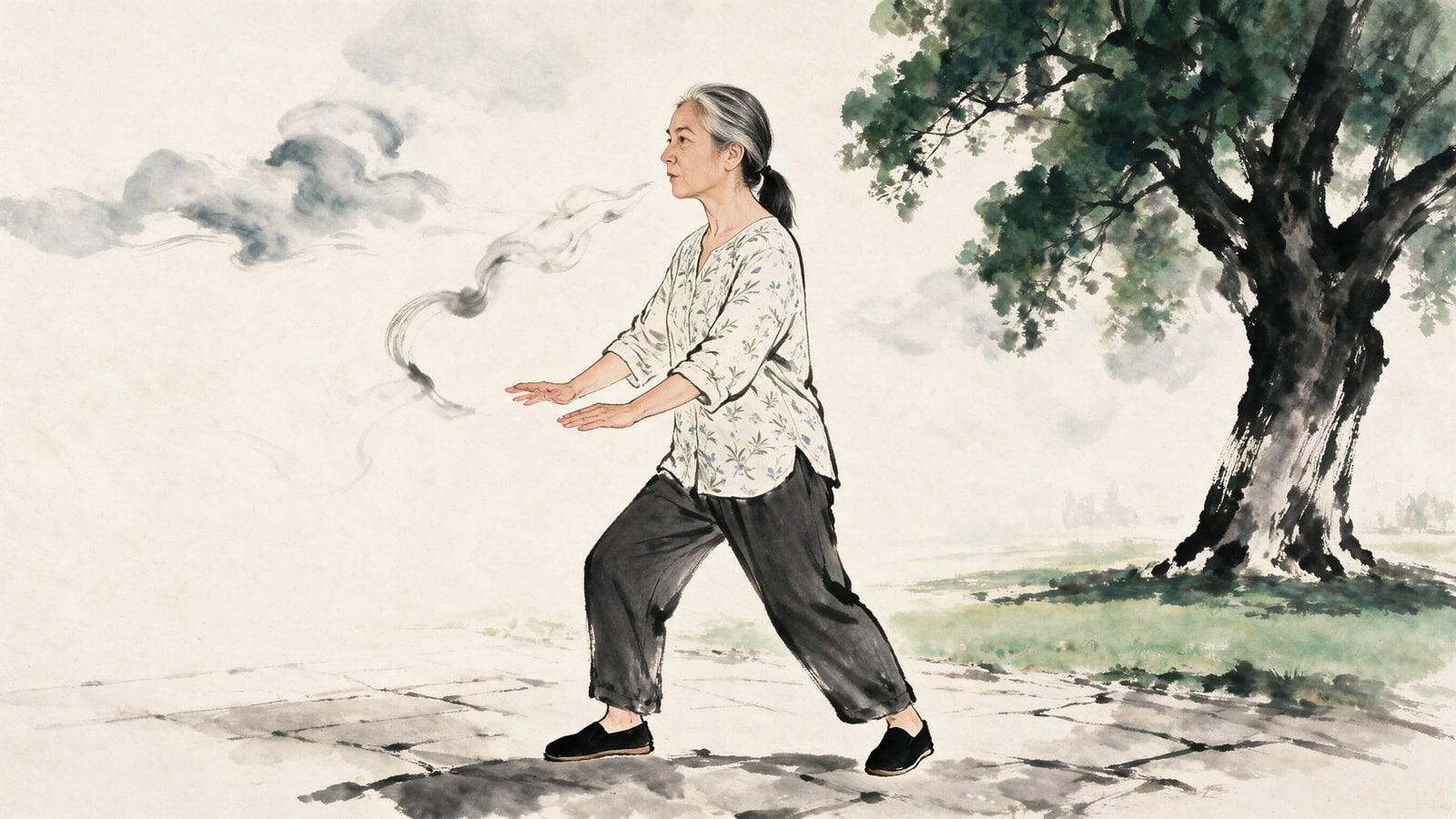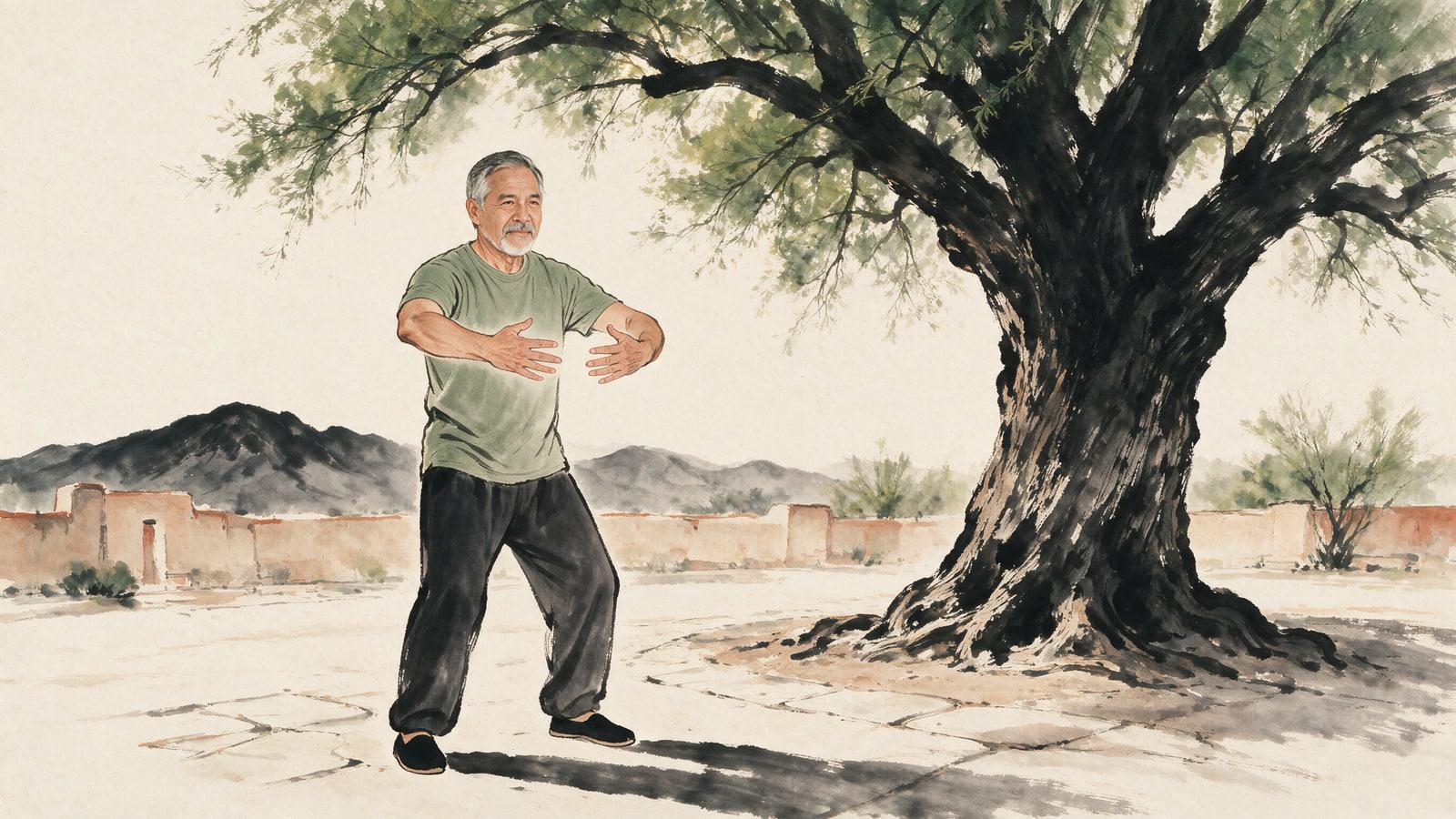

Spring in Tucson is one of the most magical times of the year. Seemingly overnight, golden poppies and brittlebush brighten the foothills. Ocotillos tip their tall branches in red flame, and crisp morning air invites us outdoors to stretch.
Just as desert plants wake up and reach toward the sun after winter, our own bodies crave a good stretch in the spring. In traditional Qigong, spring is dedicated to loosening tight tendons, opening the chest and ribs, and refreshing tired eyes.
☯️ Moving Like Bamboo in a Spring Breeze
In the classical Chinese calendar of the Five Seasons (Wu Xing 五行), spring belongs to the Wood element. It is pictured as young trees and bamboo that grow tall yet bend gracefully in the wind without snapping.
“In order to have a long and healthy life, the first rule is that you must live in harmony with the cycles of nature.”
— Dr. Yang, Jwing-Ming, Eight Simple Qigong Exercises for Health
When we feel cooped up at the end of winter, stiffness tends to gather in our neck, shoulders, ribcage, and hips. Spring Qigong uses unhurried stances, chest-opening stretches, and soft eye focus to release that pent-up tension so you move with ease again.
🌿 How It Feels in Movement: Three Refreshing Spring Qigong Practices
1. “Drawing the Bow” to Open the Chest and Shoulders
Settle into a comfortable wide stance and draw one hand across your chest as if pulling a bowstring, while extending your other arm and index finger toward the horizon. From the Eight Pieces of Brocade, Drawing the Bow opens tight chest muscles, lengthens the tendons from shoulder to fingertip, and builds steady leg strength.
2. “Swaying Bamboo” to Lengthen the Ribs and Waist
Stand with your feet shoulder-width apart and rest your hands lightly overhead. Inhale as you grow tall through your spine. Exhale as you gently arc a few inches to one side like bamboo swaying in a breeze, feeling a pleasant stretch along your ribs and waist.
3. Resting Tired Screen-Eyes on the Distant Horizon
Classical Qigong teaches that staring closely at books or screens tightens the neck and forehead. During practice, soften your gaze as if looking peacefully toward the Catalina Mountains. Finish by rubbing both hands together until warm and cupping them gently over your closed eyes for three slow breaths.
🥋 Studio Cue: Try the “Long Exhale Sigh.” As you lower your arms at the end of a stretch, exhale slowly through softly parted lips with a quiet, whispered “Shhhh” sound, letting your shoulders drop a full inch away from your ears.
🪑 Gentle Adaptation: Both Drawing the Bow and our spring side-stretches feel wonderful seated in a chair. Keep both feet flat on the floor and your sitting bones anchored while your upper body opens gently from side to side.
✨ Key Reflections to Carry With You
- Stretch gently, never force: Supple tendons respond best to slow, rhythmic movement rather than aggressive pulling.
- Open the chest and ribs: Gentle bow-drawing stretches and side bends create room for deeper, easier breathing.
- Soften your eyes to soften your neck: Relaxing your gaze onto the horizon immediately releases hidden tension across your forehead and shoulders.
Old Pueblo Tai Chi — Traditional Yang & Sun Style Classes
Culture Connects Studio • 3000 E. 22nd Street, Tucson, AZ 85713 • https://oldpueblotaichi.com
Questions about classes? Contact Dan Kimball at dan@oldpueblotaichi.com