Mastering the Yang Style Ward Off (Peng) in Tai Chi
A Step-by-Step Guide to Stability, Energy Flow, and Internal Power
🧠 Understanding the Ward Off (Peng) in Yang Style Tai Chi
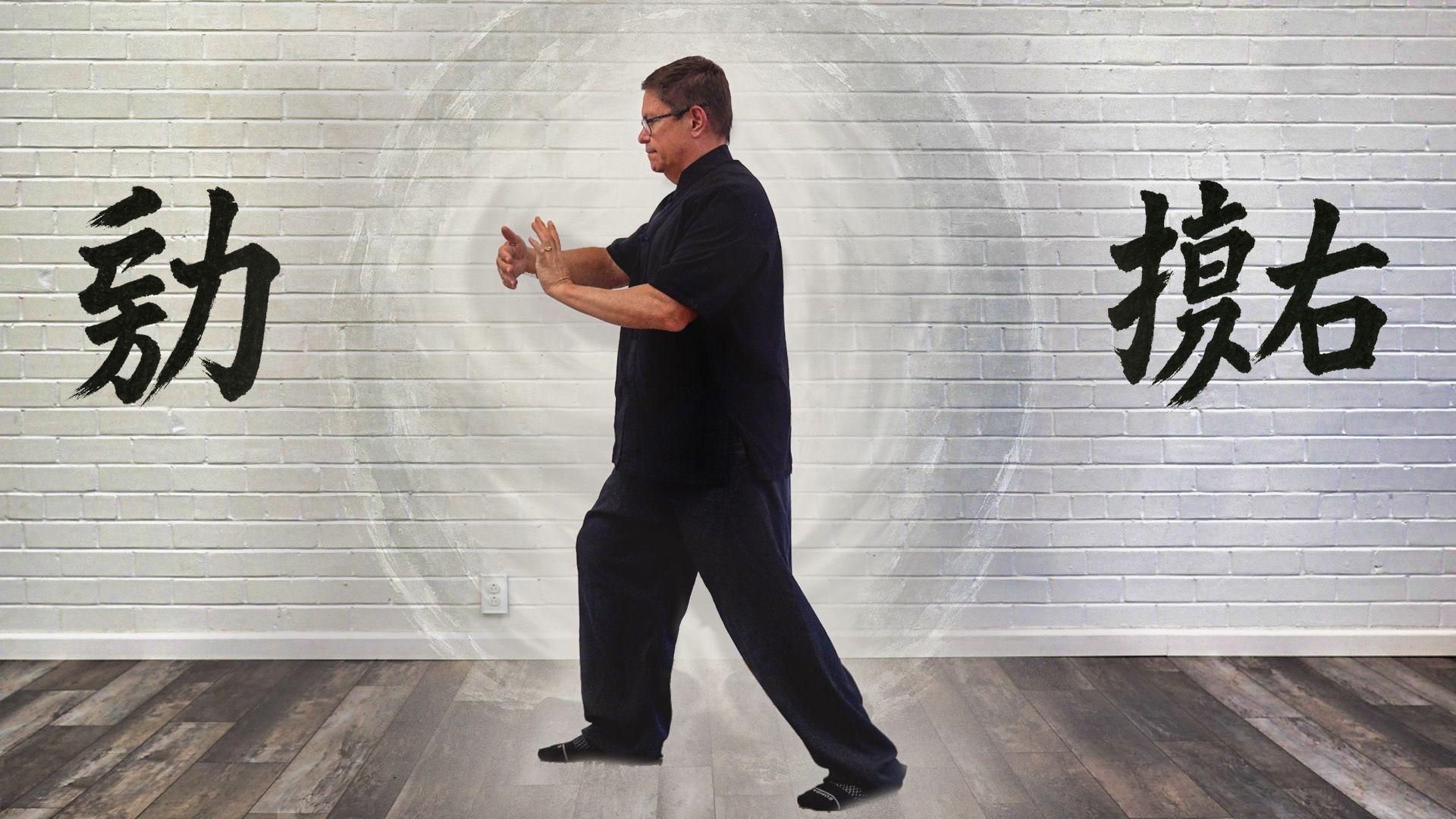
The Ward Off posture helps you maintain your center while redirecting an opponent’s force. It’s not about muscular strength—it’s about alignment, structure, and energy flow.
🗝️ Key Principles of Ward Off
- Rooted Stance: Feet shoulder-width apart, toes forward, knees relaxed, tailbone gently tucked.
- Relaxed Upper Body: Chest sinks, shoulders round, and spine lifts like being suspended from above.
- Hand Position: Hands hold an imaginary ball—right hand pushing forward, left hand supporting.
- Breath Coordination: Exhale during outward motions, inhale during inward or preparatory actions.
🔢 Step-by-Step: Yang Style Ward Off Sequence
1. Establish Your Posture
- Step to the left, feet shoulder-width apart, toes forward.
- Relax knees and tuck the tailbone slightly.
- Let shoulders soften and round, crown lifted upward.
- Begin breathing naturally—hands rise and fall with the breath.
2. Sun Rises, Moon Sets – Yin Yang Hands
- Left hand comes under right, forming Yin-Yang hands.
- This symbolizes balance and harmony of opposites.
3. Hold the Ball and Shift Weight
- Shift weight onto the left leg.
- Imagine gently holding a Tai Chi ball between your hands.
- Arms remain soft and naturally curved.
4. Execute the Ward Off (Peng)
- Step back with the right foot, heel touching first.
- Turn the back foot to a 45° angle, aligning with the movement direction.
- As weight shifts to the right, raise your right hand into a gentle forward arc while the left hand supports.
- Keep the spine upright, shoulder and knee aligned.
- Torso faces forward in the direction of the Ward Off without leaning.
🌬️ Breath Coordination: Internal Energy Flow
- Inhale – as you prepare and lift the foot.
- Exhale – as you sink and shift your weight.
- Inhale – while stabilizing your form.
- Exhale – as you project the Ward Off energy forward.
Breathing in this rhythm enhances focus, qi flow, and mental calm.
✅ Tips for Perfecting Your Ward Off
- Slow is strong: Emphasize control and mindfulness over speed.
- Protect your knees: Never let your front knee extend past your toes.
- Stay soft: Tension in your arms disrupts energy flow.
- Visualize the ball: Helps maintain proper hand spacing and posture.
- Consistent practice: Builds muscle memory and deeper internal awareness.
Mastering the Yang style Ward Off (Peng) in Tai Chi is more than just learning a technique—it’s about embodying the principles of rootedness, calm, and effortless power. By focusing on your posture, breath, and intention, you create a dynamic field of protection and presence that reflects Tai Chi's philosophy of soft overcoming hard. Take your time, enjoy the practice, and feel the harmonious dance of energy between earth and sky.
❓ Frequently Asked Questions (FAQ)
🔹 What is the purpose of Ward Off (Peng)?
To redirect incoming force while maintaining balance and control using internal energy rather than brute strength.
🔹 How should my feet be positioned?
Front foot forward, back foot at 45°. Knees soft, aligned—never locked or overly extended.
🔹 Why is breathing important?
It synchronizes movement with energy flow (Qi), enhances calmness, and builds internal harmony.
🔹 How do I keep my arms relaxed?
Visualize holding a soft ball. Keep a slight bend and avoid tension in fingers or shoulders.
🔹 Can beginners learn this posture effectively?
Absolutely. Start slowly, focus on alignment and breath, and build gradually into the deeper aspects.
Bridging Theory to Practice
Try This Today: Wave Breathing for Nervous System Ease
90 seconds
Somatic Intent: Coordinate soft hand movement with the natural rhythm of your breath.
- 1Stand or sit upright with hands resting near the lower abdomen.
- 2Inhale gently through the nose as your hands float softly up toward your heart.
- 3Turn palms downward and exhale smoothly as hands drift back down to the lower abdomen.
- 4Repeat for 5 slow, unhurried breathing cycles.
* Always work within your personal comfort zone. There is never any forcing, straining, or breath-holding in Tai Chi.
Old Pueblo Tai Chi — Traditional Yang & Sun Style Classes
Culture Connects Studio • 3000 E. 22nd Street, Tucson, AZ 85713 • https://oldpueblotaichi.com
Questions about classes? Contact Dan Kimball at dan@oldpueblotaichi.com or (520) 222-8232
Practice Newsletter
Stay Connected with Old Pueblo Tai Chi
Get new articles, practical movement guides, seasonal health insights, and Tucson class announcements delivered to your inbox.
Experience the Practice in Person
Reading about Tai Chi is great, but the true benefits come from moving. Join our welcoming morning classes at Culture Connects Studio in Midtown Tucson.
Culture Connects Studio • 3000 E 22nd St, Tucson, AZ 85713 • Mondays & Wednesdays 10:00 AM – 11:00 AM (Doors open 9:45 AM, arrive 10–15 min early)