🌄 The Wudang Tai Chi Opening Move: Cultivating Inner Harmony Through "Sun Rises and Moon Sets"
In the ancient mountains of Wudang, where Daoist philosophy and martial arts converge, the practice of Tai Chi begins not with combat, but with a poetic movement that captures the rhythm of life itself. The opening sequence, Sun Rises and Moon Sets, is more than an introduction—it's a moving meditation that teaches balance, breath, intention, and internal energy flow from the very first step.
☯️ The Philosophy Behind the Movement
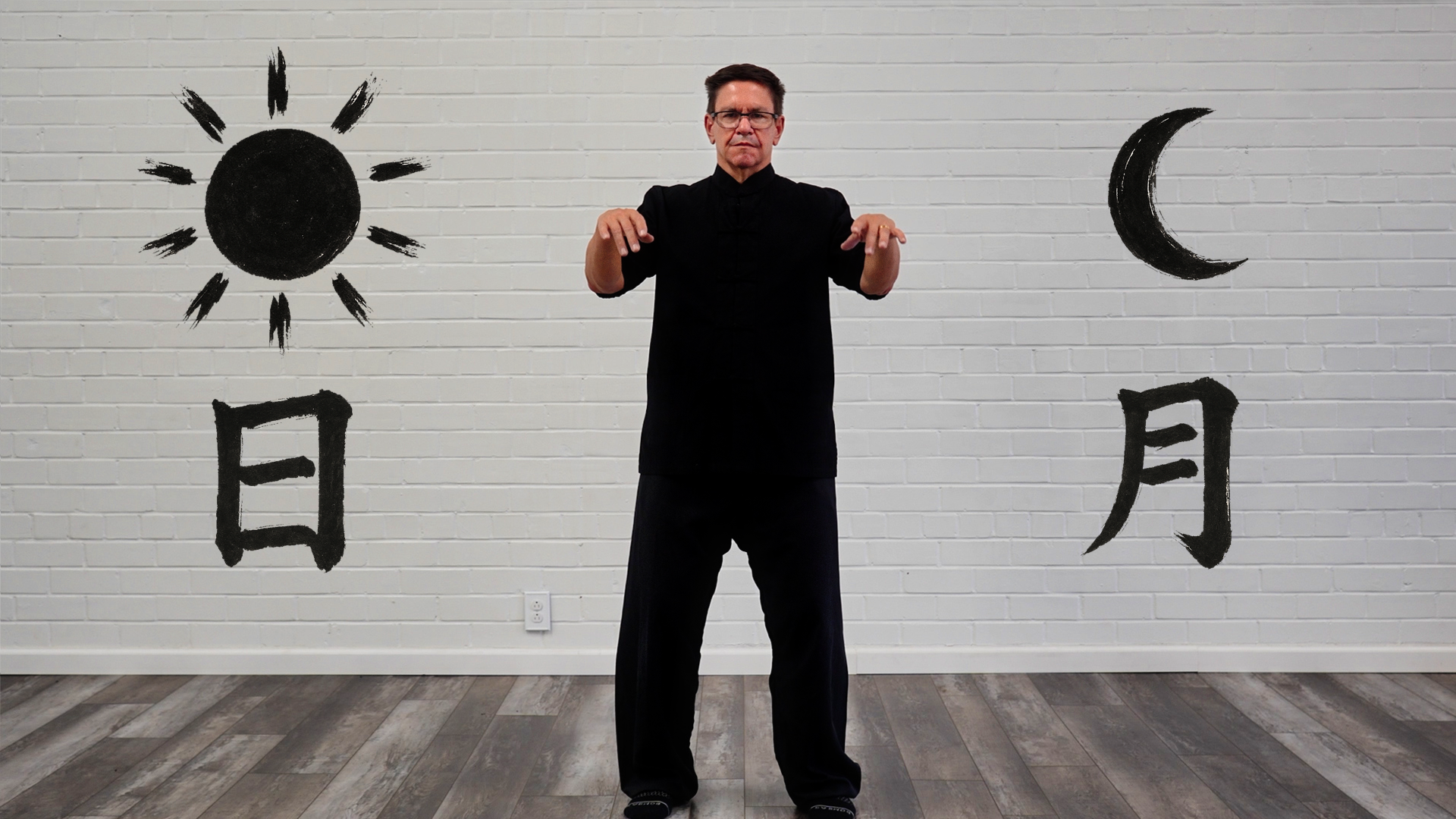
“Sun Rises and Moon Sets” embodies the eternal dance of yin and yang—expansion and contraction, activation and surrender, light and shadow. As your hands ascend like the morning sun, you activate yang energy (ascending, warming, expressive). As they descend like the moon setting, you return to yin energy (grounding, cooling, receptive).
Wudang Tai Chi begins with this movement because it teaches the foundational truth of Daoist cosmology: that change is constant and balance is the goal. It captures the cyclical, balancing forces of nature and aligns the practitioner’s internal energy (Qi, 氣) with the Dao (道)—the cosmic order. S
“The Dao produces One; One produces Two; Two produces Three; Three produces all things.”— Dao De Jing, Chapter 42
Here, One can be interpreted as Wuji (無極), the undifferentiated stillness before form. Two is Yin and Yang. This sequence represents the dynamic dance of Two—light and dark, rise and fall, up and down.
This simple sequence acts as a portal into the larger principles of Tai Chi:
- Harmonizing with the Dao
- Awakening inner stillness
- Attuning body and breath to nature’s cycles
🧘♂️ Mastering the Foundation: Step-by-Step Practice
1. Establishing Your Root (Wuji Stance)
Stand with feet shoulder-width apart, knees gently bent, spine tall but relaxed.
Imagine energy sinking downward from the crown of your head through your feet into the earth.
🗝️ Essential Tip: Visualize growing roots into the ground to create deep physical and energetic stability.
2. The Rising Sun (Ascending Phase)
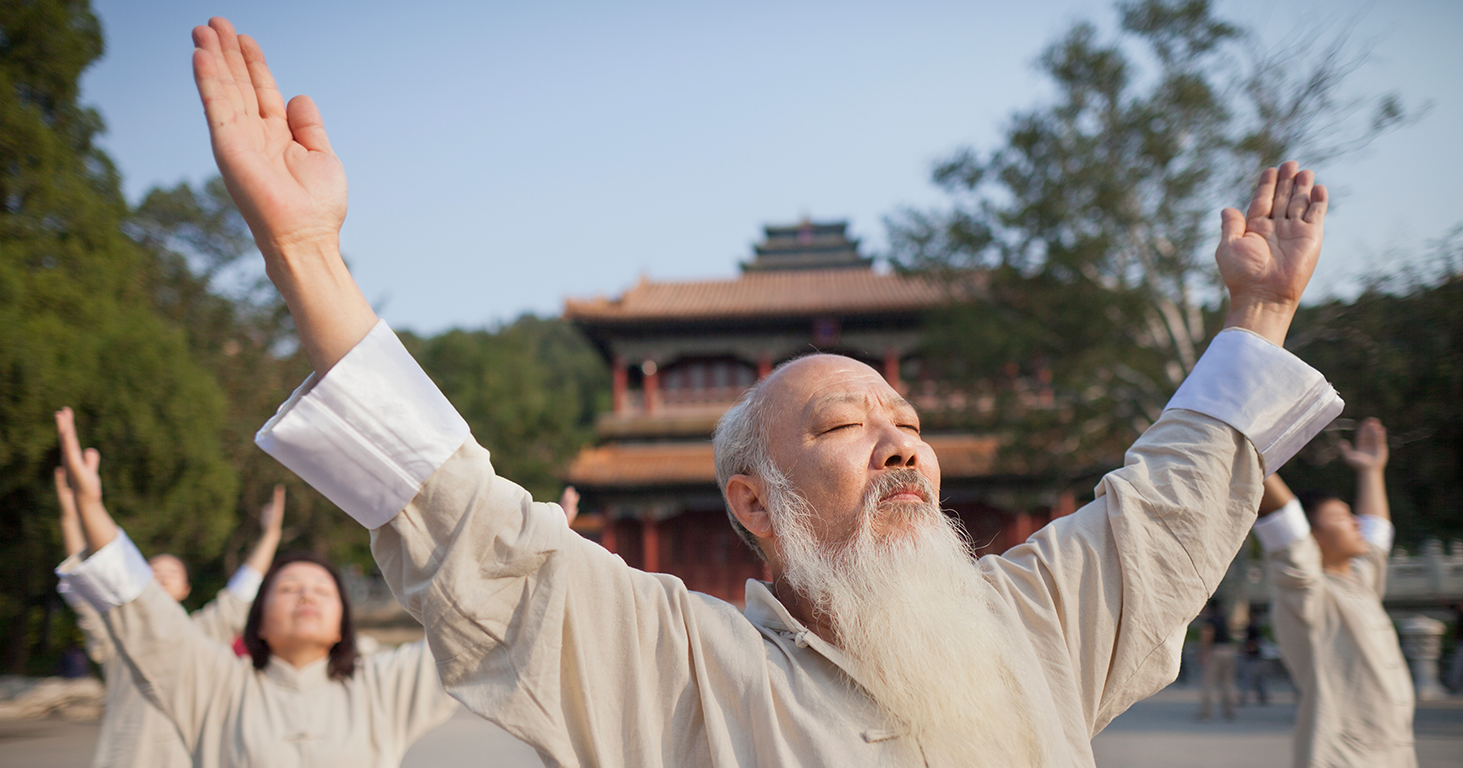
Let your hands float up to heart level, palms facing downward. Elbows stay soft, forming rounded curves.
💨 Breathing: Inhale slowly as the hands rise, drawing energy up through the body.
Alignment Checklist:
- Chin slightly lifted
- Shoulders relaxed and heavy
- Elbows bent softly like embracing a tree
3. The Setting Moon (Descending Phase)
Lower your hands slowly and evenly back down to your sides. Let the motion feel intentional and reverent.
💨 Breathing: Exhale fully and slowly, visualizing tension melting away with the moon’s descent.
🌬️ Essential Tai Chi Principles in Practice
Song (Relaxation with Structure)
Let go of unnecessary tension while maintaining integrity. Imagine your arms moving through water—effortless, yet contained.
Intention Leads the Movement
Before your hands move, your mind must move first. Cultivating internal awareness gives life to every gesture.
Breath as the Bridge
Allow your breath to dictate the pace of movement—not the other way around. When breath is shallow, slow down. When it’s deep and calm, you’ve found the rhythm of Tai Chi.
⚠️ Common Mistakes and How to Correct Them
Mistake | Correction | ㅤ |
Rushing the Movement | Slow down. Let the breath and body move as one. | ㅤ |
Tense Shoulders and Jaw | Pause. Do a quick body scan and release tension. | ㅤ |
Flat or Rigid Posture | Lift the crown, sink the tailbone, soften the knees. | ㅤ |
Shallow Breathing | Inhale through the nose, exhale through the mouth or nose naturally. Let the belly expand. | ㅤ |
🌟 Health, Martial, and Spiritual Benefits
- Nervous System Reset: Lowers cortisol and calms the mind
- Posture Awareness: Improves alignment and spinal integrity
- Qi Cultivation: Promotes energy flow to the heart and lung meridians
- Meditative Awareness: Deepens concentration and clarity
🙋♀️ Frequently Asked Questions
Q: Can this help with stress or anxiety?
A: Yes! This meditative sequence lowers stress hormones and fosters inner calm.
Q: How often should I practice it?
A: Daily practice of even 1–5 minutes can offer noticeable benefits.
Q: Is this suitable for older adults or beginners?
A: Absolutely. The movement is gentle, low-impact, and highly adaptable.
Q: What does “Sun Rises and Moon Sets” teach me long-term?
A: It trains you to move from stillness, think with your breath, and embody harmony in all things.
Bridging Theory to Practice
Try This Today: The Centering Breath of Stillness
60 seconds
Somatic Intent: Pause right now to anchor the wisdom of this article directly in your physical body.
- 1Rest both palms over your navel center (Dan Tian).
- 2Soften your gaze and allow your shoulders to drop away from your ears.
- 3Inhale softly into your palms, sensing warmth expanding in the lower abdomen.
- 4Exhale and feel your heels connect into the ground below.
* Always work within your personal comfort zone. There is never any forcing, straining, or breath-holding in Tai Chi.
Old Pueblo Tai Chi — Traditional Yang & Sun Style Classes
Culture Connects Studio • 3000 E. 22nd Street, Tucson, AZ 85713 • https://oldpueblotaichi.com
Questions about classes? Contact Dan Kimball at dan@oldpueblotaichi.com or (520) 222-8232
Practice Newsletter
Stay Connected with Old Pueblo Tai Chi
Get new articles, practical movement guides, seasonal health insights, and Tucson class announcements delivered to your inbox.
Experience the Practice in Person
Reading about Tai Chi is great, but the true benefits come from moving. Join our welcoming morning classes at Culture Connects Studio in Midtown Tucson.
Culture Connects Studio • 3000 E 22nd St, Tucson, AZ 85713 • Mondays & Wednesdays 10:00 AM – 11:00 AM (Doors open 9:45 AM, arrive 10–15 min early)