What Is Tai Chi? Definition, Benefits & Beginner Guide (Tucson) — Movement & Alignment StudyOld Pueblo Studio Practice
Beginner Guides
What Is Tai Chi? Definition, Benefits & Beginner Guide (Tucson)
By Dan Kimball•January 29, 2026•39 min read•Old Pueblo Tai Chi (Tucson, AZ)
Key Takeaways
Core insights and essential principles at a glance
Tai Chi is a gentle, progressive art accessible to adults of all fitness and mobility levels.
Focus on body awareness and personal comfort - there is never any forcing or strain.
Consistency in short, enjoyable daily practice compounds into profound longevity and mental clarity.
What is Tai Chi Chuan (太極拳)?
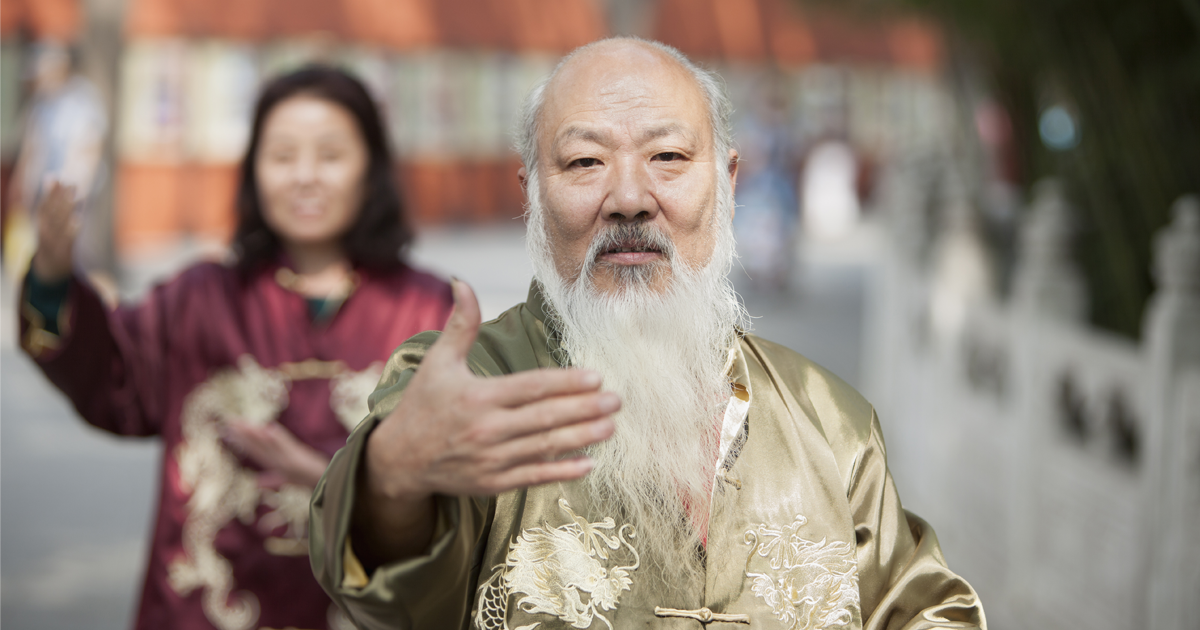
Tai Chi (Tai Chi Chuan / Taijiquan) is a gentle, low-impact practice that blends slow, coordinated movement with posture, balance, breath, and attention. It’s often described as “meditation in motion.” In Tai Chi in Tucson, many beginners start Tai Chi because it’s a steady, beginner-friendly way to learn balance and calm focus—without needing any prior experience.
You’ll see a few common names for this practice—Tai Chi, Tai Chi Chuan, Taijiquan, and 太極拳 are all widely used ways people refer to the same internal martial art and mind-body practice.
·☯·
Quick Answer: What Is Tai Chi?
Tai Chi is a slow, low-impact practice that teaches balance, posture, and calm attention through coordinated movement and breath. Beginners usually start with simple foundational drills and short sequences, then build a longer form step by step over time.
If you’re looking for beginner Tai Chi in Tucson, you can see what a first class is like here:
Tai Chi is learned through consistent practice of foundational movements involving the hands, feet, waist, and overall body coordination.
Beginners typically start with:
Basic stances and stepping
Simple weight shifting and balance drills
Posture and alignment cues
Coordinated arm/hand patterns
A short sequence that gradually grows into a longer form over time
Classes usually build progressively, with the instructor demonstrating, guiding, and reinforcing previous material. Tai Chi is practiced at a slow, steady pace so students can feel details like alignment, balance, and relaxation. Coordinated breathing is also emphasized to support steady attention and a calmer practice.
For Tucson-area beginners, this step-by-step approach is often the most helpful way to build confidence with the basics without feeling overwhelmed.
What Are the Benefits of Practicing Tai Chi?
Tai Chi is widely practiced as a gentle way to support overall well-being. Many people find it helps them build balance and coordination, improve posture and body awareness, and feel calmer through steady, mindful movement. Because every body is different, it’s best to think of Tai Chi as a skill you build over time rather than a guaranteed treatment for any specific condition. Practice within personal comfort, and check with a clinician if you have medical concerns before starting any new movement routine.
Here’s a short example of Tai Chi movement at a calm, beginner-friendly pace so you can get a feel for what it looks like:
What Should I Wear to Tai Chi Class?
Wear comfortable, loose-fitting clothing that allows for a full range of motion. It’s best to choose shoes with a flat, flexible sole. Avoid shoes with thick padding or arch supports, as they can interfere with posture and alignment during the practice. The goal is to feel relaxed and supported while staying connected to the ground.
What Can I Expect in a Tai Chi Class?
Each Tai Chi class begins with gentle warm-up exercises to loosen the joints, calm the mind, and prepare the body for movement. The instructor then leads students through foundational postures and short sequences, gradually building up to longer forms over time. Clear, step-by-step instruction is provided, with an emphasis on alignment, breath awareness, and relaxed concentration.
Classes are non-competitive and suitable for all levels, including beginners. Students are encouraged to move at their own pace and to listen to their bodies. Over time, the movements become more fluid and intuitive, and students often find that Tai Chi becomes a meditative and restorative part of their weekly rhythm.
Is Tai Chi Right for Me?
Tai Chi is a safe and adaptable practice that can be enjoyed by people of all ages, fitness levels, and abilities. Whether you're looking to improve physical health, reduce stress, support injury recovery, or simply explore a new way to move and feel better, Tai Chi can meet you where you are. No prior experience is necessary—just a willingness to learn and a curiosity to explore the connection between movement and mindfulness.
How Often Should I Practice?
While attending class once or twice a week is a great start, even a few minutes of daily practice can yield meaningful benefits. Like any skill, Tai Chi deepens with repetition. Practicing regularly—whether at home or in class—helps you internalize the movements, develop muscle memory, and experience a greater sense of flow and ease in both body and mind.
Tai Chi as a Lifelong Path
Tai Chi is more than just an exercise—it’s a lifelong journey of balance, inner strength, and self-discovery. As you progress, you'll uncover subtle layers of awareness, develop greater resilience, and gain insight into your body's natural intelligence. With patience and practice, Tai Chi becomes a moving meditation that nurtures harmony within yourself and your relationship with the world around you.
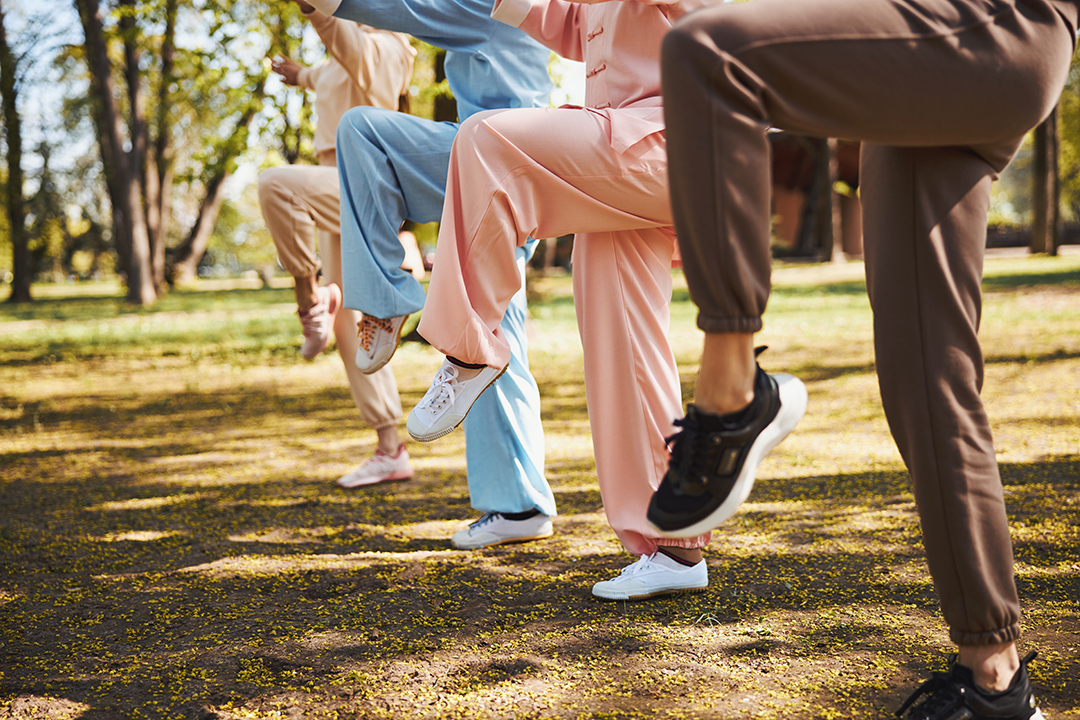
Tai Chi focuses on relaxed posture, steady weight shifting, and coordinated movement—skills that grow with patient practice.
·☯·
Teaching Approach
If you’d like to learn in a supportive, step-by-step way, here’s the teaching approach you can expect in class:
Dan Kimball’s approach to teaching Tai Chi is rooted in mindfulness, accessibility, and personal growth. Each class is designed to be welcoming and inclusive, meeting students where they are—whether they’re complete beginners or returning practitioners. Drawing on his background as a Licensed Professional Counselor and Positive Psychology Coach, Dan creates a supportive, nonjudgmental space where students can learn at their own pace and connect more deeply with their bodies and breath.
This is the same beginner-friendly approach used in Old Pueblo Tai Chi’s real Tucson classes: clear cues, patient repetition, and a focus on safe, sustainable practice.
Dan breaks down each movement into simple, repeatable steps, emphasizing posture, balance, and breath awareness. He guides students in understanding not just how to move, but why each movement matters—cultivating an embodied sense of presence and inner calm. Classes often begin with Qigong exercises to open energy pathways and end with mindful stillness to integrate the practice.
·☯·
Ready to Start Tai Chi in Tucson?
If you’re curious about starting Tai Chi in Tucson, visit the Beginner Tai Chi page to see what to expect in your first class:
Yes. Tai Chi is often taught in a step-by-step way, so beginners can start gently and build skills like balance, posture, and calm focus over time.
Is Tai Chi the same as Tai Chi Chuan or Taijiquan?
In most everyday use, yes. Tai Chi, Tai Chi Chuan, Taijiquan, and 太極拳 are common ways people refer to the same practice (you may see different spellings based on translation/romanization).
How long does it take to learn Tai Chi?
Most beginners can learn a few foundational movements quickly, but Tai Chi is a long-term practice. Many people notice progress over weeks and months as coordination, balance, and comfort improve through repetition.
Do I need special shoes for Tai Chi?
No. Comfortable shoes with a flat, flexible sole are usually best. Avoid thick, squishy soles or heavy arch support that can make balance and alignment harder to feel.
Where can I learn Tai Chi in Tucson?
If you’re in the Tucson area, you can start with Old Pueblo Tai Chi’s beginner page to see what to expect and find the current class schedule:
Somatic Intent: Check that your ankles, knees, and hips are unlocked and resting.
1Stand comfortably and take one calm breath.
2Gently release your jaw and notice if your teeth were clenched.
3Drop your shoulder blades down your back like coats sliding off a hanger.
4Unlock both knees by just half an inch, sensing instant relief in your lower back.
* Always work within your personal comfort zone. There is never any forcing, straining, or breath-holding in Tai Chi.
Old Pueblo Tai Chi — Traditional Yang & Sun Style Classes
Culture Connects Studio • 3000 E. 22nd Street, Tucson, AZ 85713 • https://oldpueblotaichi.com
Questions about classes? Contact Dan Kimball at dan@oldpueblotaichi.com or (520) 222-8232
Practice Newsletter
Stay Connected with Old Pueblo Tai Chi
Get new articles, practical movement guides, seasonal health insights, and Tucson class announcements delivered to your inbox.
In-Person Practice in Tucson
Experience the Practice in Person
Reading about Tai Chi is great, but the true benefits come from moving. Join our welcoming morning classes at Culture Connects Studio in Midtown Tucson.
New to Tai Chi? Learn what happens in a first Tai Chi class, what to wear, how beginners are supported, and how to start gently with Old Pueblo Tai Chi in Tucson.
A practical 2025 guide to choosing Tai Chi shoes for balance, comfort, and smooth pivoting—plus indoor vs outdoor tips, fit guidance, and what to avoid.
Looking for the best Qigong and Tai Chi books for fall 2025? Here are 8 editor-picked recommendations—including beginner-friendly starts, classic texts, and deeper Nei Gong references.