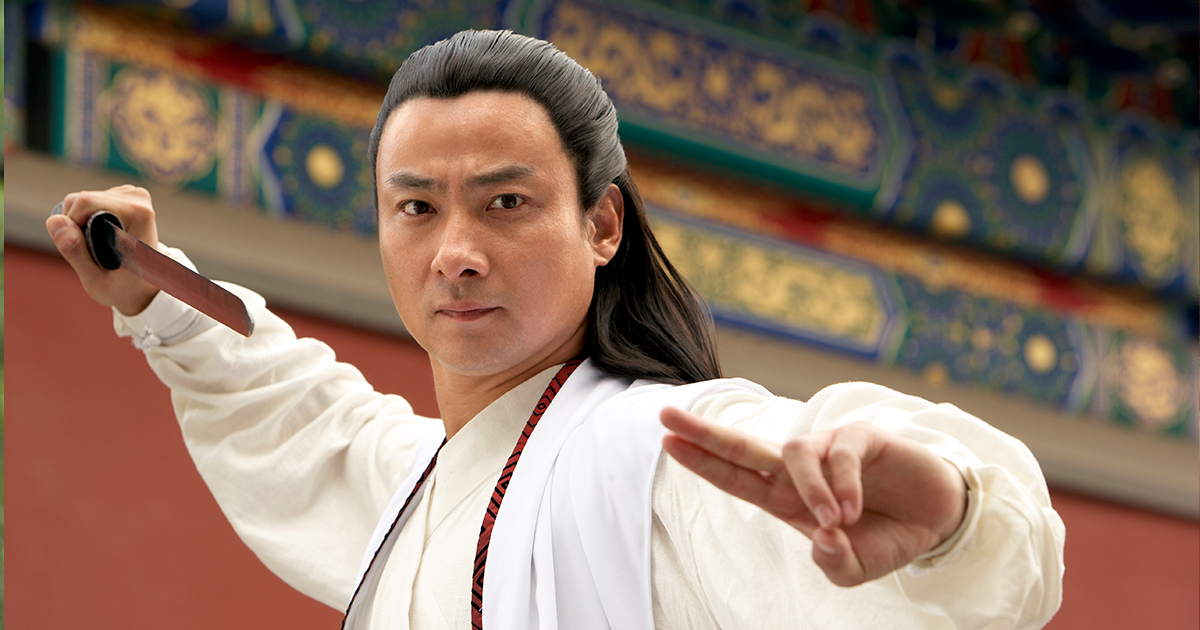
When most people hear the term Kung Fu, they picture high-flying kicks, ancient temples, and heroic martial artists battling in cinematic slow motion. Thanks to decades of popular culture—from Bruce Lee films to Kung Fu Panda—“kung fu” has become almost synonymous with Chinese martial arts.
But here’s the twist: kung fu doesn’t actually mean martial arts. The actual Chinese term for martial arts is 武術 (wǔshù), meaning “martial technique” or “military art.” Other related terms include:
- 國術 (guóshù) – "national art," once used during the Republican era of China
- 拳法 (quánfǎ) – “fist method” or style of fighting
The association between kung fu and martial arts is largely a result of Western media and translation practices.
Let’s explore what kung fu really means, where the misunderstanding came from, and why this subtle distinction matters—especially if you're a practitioner or a fan of Chinese traditions.
🥢 The Real Meaning of Kung Fu (功夫)
In Chinese, the term kung fu (功夫)—pronounced gōng fū in Mandarin—literally means:
- 功 (gōng): Work, achievement, merit, or skill
- 夫 (fū): Man, person, or time/effort
Put together, kung fu refers to any skill acquired through time, effort, and practice. This could be martial skill, yes—but it could also be calligraphy, cooking, playing an instrument, or even mastering tea brewing.
In traditional Chinese culture, to say someone “has good kung fu” is a compliment to their dedication and refinement, not a reference to any specific combat ability.

🎬 How Kung Fu Came to Mean “Martial Arts” in the West
So why do most non-Chinese speakers associate kung fu exclusively with fighting?
The answer lies in a blend of Hollywood influence and translation shortcuts.
In the 1960s and ‘70s, martial arts movies began exploding in popularity—especially in the U.S. Bruce Lee, a global icon, was one of the first to bring Chinese martial arts to Western screens in a dramatic and physical way. However, rather than using terms like:
- 武術 (wǔ shù) – which literally means “martial arts”
- or 國術 (guó shù) – meaning “national art,” an older term for Chinese martial styles
…Western distributors and audiences defaulted to the more familiar-sounding kung fu, which Bruce Lee and others used colloquially to describe martial skill.
Thus, the misunderstanding spread—and stuck. Today, most Westerners still use “kung fu” to mean “Chinese martial arts,” even though native speakers may use entirely different terms for combat styles.
📜 Martial Terms You Should Know
To understand martial arts in a more accurate cultural context, here are a few Chinese terms worth learning:
- 武術 (Wǔshù): The general term for martial arts, literally “martial technique” or “military art.”
- 內家 (Nèijiā): Internal martial arts (like Tai Chi, Xing Yi, and Bagua)
- 外家 (Wàijiā): External martial arts (styles emphasizing muscular strength and speed)
- 拳法 (Quánfǎ): Literally “fist method,” a term for hand-to-hand fighting styles
In fact, Wushu—now often used to refer to the performance sport of Chinese martial arts—was adopted by the Chinese government as the official term for the practice and systematization of martial arts in the mid-20th century.
🍲 “Good Kung Fu” Isn’t Just in the Dojo
One of the most beautiful aspects of the term “kung fu” is how universally it applies to life.
If a chef spends decades perfecting the art of making dumplings, that’s kung fu.
If a monk sits daily in meditation, deepening their awareness and discipline, that’s kung fu.
If a carpenter shapes wood with unmatched grace and precision, that’s kung fu.
This emphasis on diligence, patience, and lifelong practice is a hallmark of traditional Chinese philosophy. It echoes Daoist and Confucian values that prioritize harmony, humility, and personal cultivation over ego or domination.
🧘 Why It Matters
Understanding the true origin and meaning of kung fu helps us move beyond stereotypes and appreciate the depth of Chinese culture. It also challenges us to redefine mastery—not as domination or aggression, but as the result of patience, effort, and humility. If you’re studying a martial art—whether it’s Tai Chi, Wing Chun, Shaolin Kung Fu, or another system—it’s worth remembering that:
Kung fu isn’t what you fight with. It’s how you show up.
It’s your attitude toward practice. It’s the hours of quiet repetition. It’s the way you treat your instructor, your training partners, your body, and your own potential. By understanding the true meaning of kung fu helps dissolve the misconception that martial arts are about violence or flashiness. It re-centers the practice around personal development, patience, and inner mastery.
Bridging Theory to Practice
Try This Today: The Centering Breath of Stillness
60 seconds
Somatic Intent: Pause right now to anchor the wisdom of this article directly in your physical body.
- 1Rest both palms over your navel center (Dan Tian).
- 2Soften your gaze and allow your shoulders to drop away from your ears.
- 3Inhale softly into your palms, sensing warmth expanding in the lower abdomen.
- 4Exhale and feel your heels connect into the ground below.
* Always work within your personal comfort zone. There is never any forcing, straining, or breath-holding in Tai Chi.
Old Pueblo Tai Chi — Traditional Yang & Sun Style Classes
Culture Connects Studio • 3000 E. 22nd Street, Tucson, AZ 85713 • https://oldpueblotaichi.com
Questions about classes? Contact Dan Kimball at dan@oldpueblotaichi.com or (520) 222-8232
Practice Newsletter
Stay Connected with Old Pueblo Tai Chi
Get new articles, practical movement guides, seasonal health insights, and Tucson class announcements delivered to your inbox.
Experience the Practice in Person
Reading about Tai Chi is great, but the true benefits come from moving. Join our welcoming morning classes at Culture Connects Studio in Midtown Tucson.
Culture Connects Studio • 3000 E 22nd St, Tucson, AZ 85713 • Mondays & Wednesdays 10:00 AM – 11:00 AM (Doors open 9:45 AM, arrive 10–15 min early)