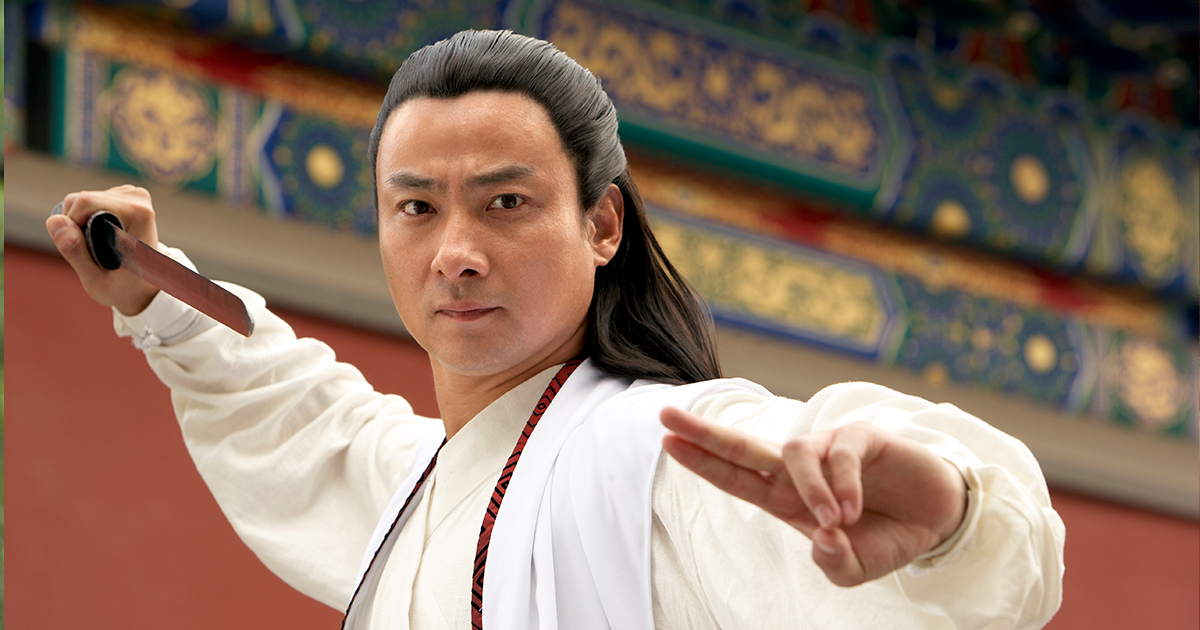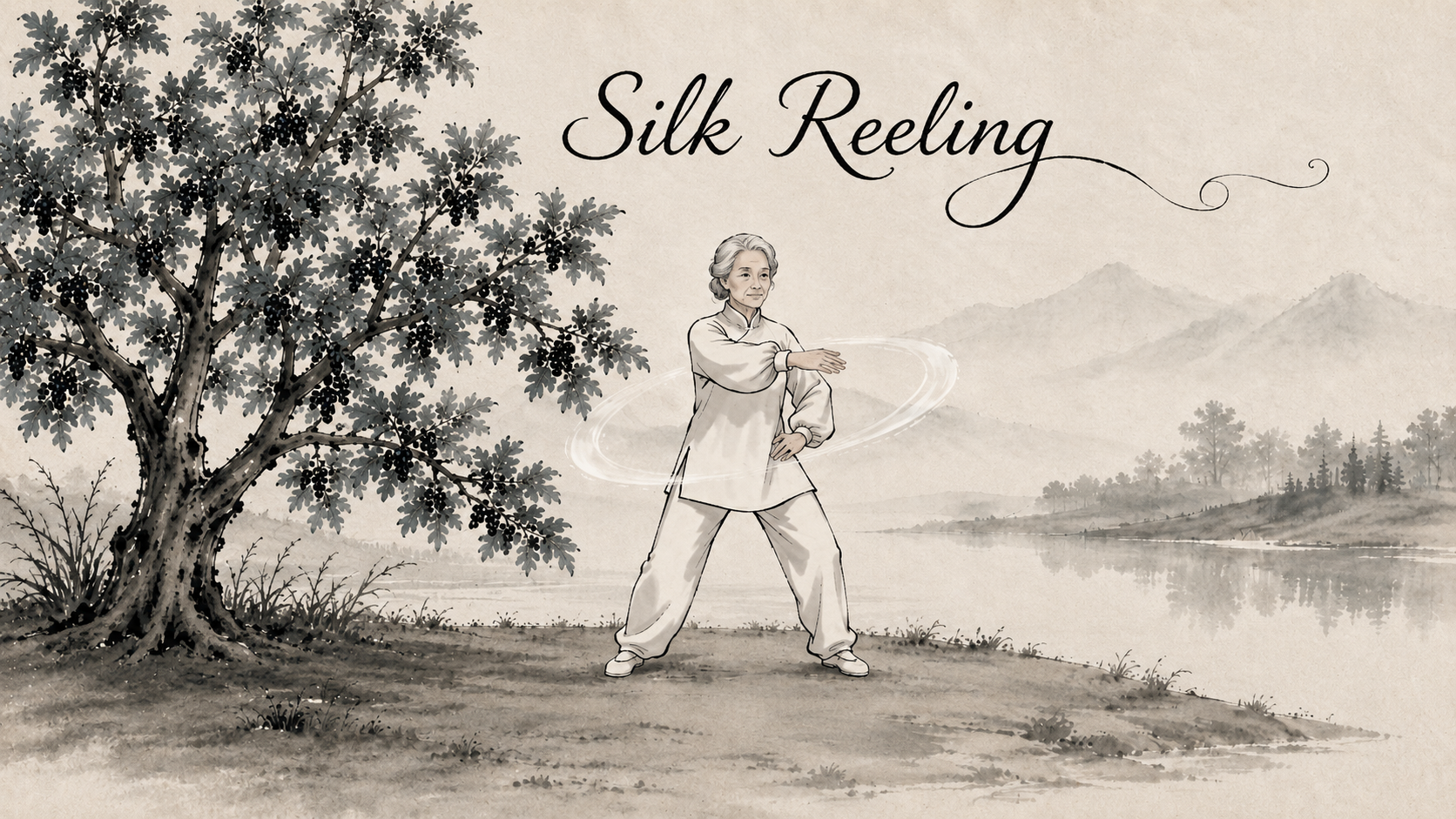
For Tai Chi students, the pipa image can be a helpful reminder: the hands are active, but the body stays calm, rooted, and responsive. If you’re newer to Tai Chi, start with What is Tai Chi?. For a related movement name, see Brush Knee and Play Pipa, and for fundamentals, review Tai Chi posture.
Introduction: What is a Pipa and Why It Matters
The pipa (琵琶) is a four-stringed Chinese lute known for its pear-shaped body, bright percussive tone, and expressive techniques such as rapid tremolo rolls. It has a long history in Chinese music and can sound delicate and lyrical—or dramatic and thunderous—depending on how it is played.
In Tai Chi, the posture often translated as “Play the Pipa” is not about literally playing music. It is a training image for poised stillness, relaxed structure, listening energy, and controlled softness.
Quick Answer: What Is a Pipa?
- The pipa is a four-stringed Chinese lute with a pear-shaped wooden body.
- It is played upright with plucking, strumming, slides, bends, and tremolo-like rolling techniques.
- It has a long history in Chinese music and is used in solo, ensemble, traditional, and contemporary settings.
- Tai Chi students may recognize the name from the posture “Play the Pipa,” which suggests poised balance, listening, and controlled softness.
“Play the Pipa” in Tai Chi
In Tai Chi, “Play the Pipa” — Shǒu Huī Pípa (手揮琵琶) — is a posture name, not a music lesson. The image of holding or playing the pipa points to poised structure, soft control, listening energy, and balanced stillness.
For Tai Chi students, the pipa image can be a helpful reminder: the hands are active, but the body stays calm, rooted, and responsive. If you’re newer to Tai Chi, start with What is Tai Chi?. For a related movement name, see Brush Knee and Play Pipa, and for fundamentals, review Tai Chi posture.
History and Origins: How the Pipa Came to China
The pear-shaped pipa is often described as arriving in China through Central Asian and Silk Road cultural exchange, with related lute forms appearing in China over many centuries. Through time, Chinese makers and musicians reshaped its form and style until it became uniquely Chinese.
Once played in royal courts, festivals, and traveling troupes, the pipa eventually entered conservatories, orchestras, and international concert halls. It remains both an ancient tradition and a living, evolving art form.
Anatomy of the Pipa: Strings, Frets, Body, and Materials
- Body: Pear-shaped, hollow, carved from wood. The soundboard projects a bright, penetrating tone.
- Neck & Frets: Raised frets (traditionally bamboo, now often modern materials). These allow wide bends and expressive slides without touching the soundboard.
- Strings: Four in total. Historically silk, later metal-wound silk, and now nylon or steel-core.
- Headstock & Pegs: Horizontal pegs for tuning, allowing quick changes.
- Bridge & Soundholes: Transfer vibration and sometimes decorated with rosettes.
These features combine to give the pipa its sharp attack, clarity, and expressive flexibility.
Pipa vs. Guitar: What’s the Difference?
The pipa and guitar are both plucked string instruments, but they feel and sound very different.
- Shape: The pipa has a pear-shaped body and is held upright.
- Frets: The pipa uses raised frets that allow wide bends and expressive slides.
- Sound: The pipa has a brighter, sharper attack and often uses rapid rolling techniques.
- Musical style: Guitar music often emphasizes chords and strumming, while pipa music often emphasizes ornamentation, melody, and dramatic storytelling.
What Does a Pipa Sound Like?
The pipa can sound bright, percussive, delicate, lyrical, or dramatic depending on the technique. Fast rolling tremolos, sharp plucks, slides, bends, and ornaments give the instrument a voice-like quality.
This helps you know what to listen for in the video example below.
Here is a short performance example so you can hear the pipa’s tone, attack, and expressive range:
Tuning and Basic Setup
A common modern tuning is A – D – E – A, though tuning can vary by tradition, instructor, repertoire, and instrument setup. Proper setup of nut, bridge, and string tension is essential for the instrument’s responsiveness, especially for demanding right-hand rolls.
Right-Hand Technique: The Art of Rolling and Nail Use
The pipa is famous for lúnzhǐ (輪指 / 轮指), often translated as a wheel-finger or rolling tremolo technique. Players use repeated right-hand finger strokes to create a sustained, shimmering sound.
Players often use artificial nails (plastic or acrylic) to achieve bright projection in concert halls. The right hand can unleash percussive strums, intricate finger patterns, or whisper-soft strokes—all at high speeds.
Left-Hand Technique: Expression, Bending, and Ornamentation
If the right hand brings brilliance, the left hand provides expressive detail. Techniques include:
- Wide vibrato for emotional depth.
- Pitch bends and slides imitating vocal inflection.
- Glissandi and ornaments that feel like spoken language.
- Double stops for harmony.
Together, these create a storytelling instrument that can feel almost like a voice in conversation.
Sound and Musical Language: What Makes the Pipa Sound “Chinese”
The pipa’s identity lies in its pentatonic scales, modal colors, and ornamentation shaped by Chinese aesthetics. Phrases often bend and turn like tonal speech. To Western ears, these inflections create the distinctively “Chinese” quality of the sound. Much like Tai Chi practice, the beauty is often in subtle transitions, timing, and expressive nuance rather than raw force.
Repertoire: Solo, Ensemble, Traditional, and Contemporary
- Traditional solos: Long narratives, battle depictions, landscape evocations.
- Opera & ensemble: Accompaniment in Chinese opera, chamber, and folk ensembles.
- Contemporary works: Cross-genre collaborations with Western classical, jazz, and electronic music.
The pipa thrives by balancing tradition with innovation.
Playing Posture and Ergonomics
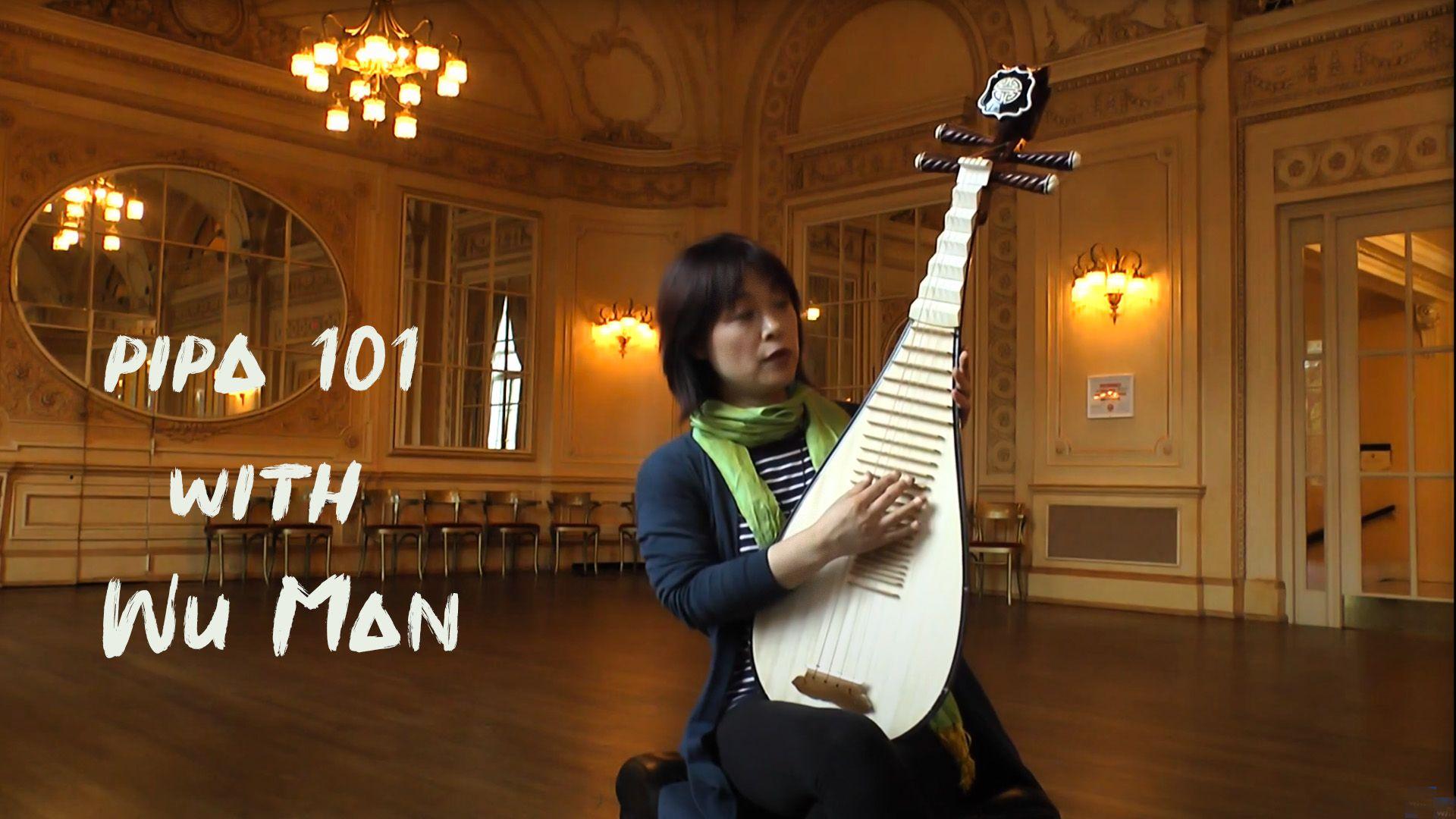
The pipa is held upright on the lap, angled slightly. This posture frees both hands for their demanding techniques: the right hand for rapid rolling and strumming, the left for bends and slides. Relaxed shoulders and balance are essential—paralleling Tai Chi’s emphasis on posture and ease.
Learning the Pipa: Tips for Beginners
- Find a instructor versed in traditional technique.
- Protect your nails with guards or acrylics for projection.
- Practice slowly—precision first, speed later.
- Listen widely to masters like Wu Man to absorb musical phrasing.
- Train left-hand flexibility for slides and vibrato.
Patience is key; progress feels slow, but the instrument rewards dedication with profound expression.
Maintenance and Care
- Store in stable humidity to protect the wood.
- Replace strings regularly for brightness.
- Adjust frets and action with a skilled luthier.
- Maintain nail shape for tone consistency.
FAQ: Quick Answers
Q: What is a pipa? The pipa (琵琶) is a four-stringed Chinese lute played upright with plucking, strumming, slides, bends, and rolling techniques.
Q: How is a pipa tuned? A common modern tuning is A – D – E – A, though tuning can vary by tradition, instructor, repertoire, and instrument setup.
Q: Is the pipa hard to learn? It can be challenging at first—especially the right-hand rolling technique—but steady practice and good instruction help a lot.
Q: Is a pipa like a guitar? Both are plucked string instruments, but the pipa is held upright, uses raised frets for wide bends, and often emphasizes ornamented melody and dramatic storytelling rather than chord-based playing.
Q: What is “Play the Pipa” in Tai Chi? It’s a posture name (Shǒu Huī Pípa / 手揮琵琶) that uses the pipa as a training image for structure, soft control, and calm attention—not a lesson in music.
Conclusion: Why “What is a Pipa?” Matters
The simplest answer: the pipa is a four-stringed Chinese lute with raised frets, a pear-shaped body, and a highly expressive technique combining brilliant rolling tremolos and lyrical inflections.
A practical takeaway for Tai Chi students: “Play the Pipa” is a useful image for training calm focus, relaxed structure, and controlled softness—qualities that show up throughout Tai Chi form work.
Explore Tai Chi in Tucson
If you’re curious how Tai Chi uses images like “Play the Pipa” to train balance, softness, and calm focus, Old Pueblo Tai Chi offers beginner-friendly classes in Tucson.
- See the current class schedule
- Learn about beginner Tai Chi in Tucson
Bridging Theory to Practice
Try This Today: The Centering Breath of Stillness
60 seconds
Somatic Intent: Pause right now to anchor the wisdom of this article directly in your physical body.
- 1Rest both palms over your navel center (Dan Tian).
- 2Soften your gaze and allow your shoulders to drop away from your ears.
- 3Inhale softly into your palms, sensing warmth expanding in the lower abdomen.
- 4Exhale and feel your heels connect into the ground below.
* Always work within your personal comfort zone. There is never any forcing, straining, or breath-holding in Tai Chi.
Old Pueblo Tai Chi — Traditional Yang & Sun Style Classes
Culture Connects Studio • 3000 E. 22nd Street, Tucson, AZ 85713 • https://oldpueblotaichi.com
Questions about classes? Contact Dan Kimball at dan@oldpueblotaichi.com or (520) 222-8232
Practice Newsletter
Stay Connected with Old Pueblo Tai Chi
Get new articles, practical movement guides, seasonal health insights, and Tucson class announcements delivered to your inbox.
Experience the Practice in Person
Reading about Tai Chi is great, but the true benefits come from moving. Join our welcoming morning classes at Culture Connects Studio in Midtown Tucson.
Culture Connects Studio • 3000 E 22nd St, Tucson, AZ 85713 • Mondays & Wednesdays 10:00 AM – 11:00 AM (Doors open 9:45 AM, arrive 10–15 min early)