☯️ The Essence of "Holding the Ball"
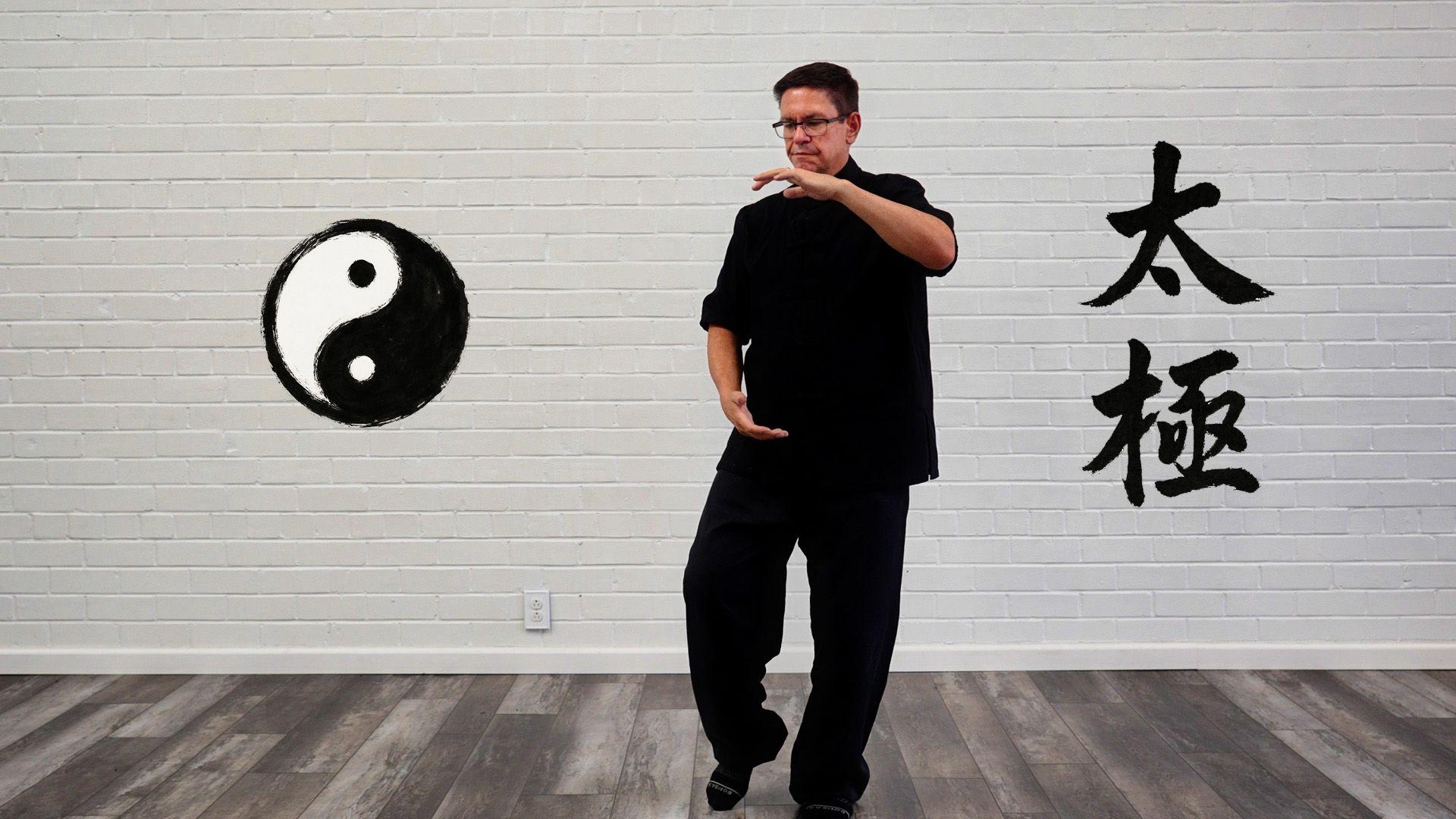
In Wudang Tai Chi, the “holding the ball” posture is much more than a resting position—it’s an embodied symbol of balance and unity. With one hand above and one below, you form a sphere of energy between the middle and lower dantians (one hand at the chest or heart level, and the other just below the navel). This sphere represents Taiji (太極): the interaction of yin (receptive, grounding) and yang (active, expansive) forces.
🌀 Key Elements
- Yin-Yang Final Formation: Left hand (yang) hovers palm down at chest or dantian level; right hand (yin) supports from below, palm up, forming a sphere of Qi.
- Energetic Embodiment: The posture cultivates internal awareness and energetic balance while grounding your attention in the body’s center.
- Symbolic Alignment: You’re not simply holding energy—you’re embodying the Dao’s cyclical and ever-transforming nature.
🌄 Step-by-Step Practice: Embracing Balance and Flow
Begin in Wuji Stance
Stand tall but relaxed, feet shoulder-width apart.
Knees are gently bent, spine naturally aligned.
Let go of muscular tension and rest in a state of open awareness.
🧘 Visualization: Picture energy sinking through the feet into the Earth, while the crown lifts gently toward the sky.
Sink and Step Out
Sink slightly as you step left, widening your stance.
Feel your weight distribute evenly and your posture become more stable.
🌱 Why it Matters: A stable, open base sets the stage for balance, breath, and energy flow.
Sun Rises, Moon Sets
Ascending Phase (Rising Sun):
Lift hands to heart level with palms down, elbows rounded and relaxed.
🫁 Inhale slowly, drawing energy upward as posture lengthens.
Descending Phase (Setting Moon):
Lower hands with control and reverence.
🫁 Exhale slowly, releasing tension as energy returns to center.
Yin Yang Hands - Holding the Ball
Place your left hand under your right, stacking the right hand in front of your chest, and the left by your lower dantian—the energy center located in the lower abdomen. This hand position not only represents the balance of yin and yang but also helps focus and circulate internal energy.
Next, move your right hand up as your left hand moves downward. At the halfway point, extend your hands outward, creating a smooth scooping motion with your right hand. Begin to shift your weight onto your left leg, ensuring your left knee stays relaxed to maintain fluidity and prevent stiffness.
Imagine holding a ball between your hands—this visualization encourages gentle energy containment and flow. As you hold this imaginary ball, lift your right foot up onto your toes, balancing delicately. This action strengthens your focus, improves balance, and deepens your connection to the flow of movement.
Breath and Timing: Synchronizing Movement with Breath
One of the most important aspects of this sequence is timing your breath with your movements. Breathe in as you prepare and move through each step, and breathe out as you settle into balance. This mindful breathing enhances relaxation, improves oxygen flow, and aligns your internal rhythm with the external movements of tai chi.
Practice Makes Perfect: Repeating the Sequence
This movement in tai chi is a beautiful blend of posture, mindful movement, and breath control. By focusing on sinking down, stepping with intention, symbolic hand placements, and fluid weight shifts, you cultivate a deeper sense of balance and energy flow. Remember, tai chi is as much about the internal experience as it is about external form. With patience and consistent practice, these movements will become a natural expression of your inner calm and strength.
Bridging Theory to Practice
Try This Today: The Substantial-Insubstantial Weight Shift
2 minutes
Somatic Intent: Feel the clear distinction between 100% full and 100% empty support.
- 1Stand with feet shoulder-width apart, parallel, and knees soft.
- 2Slowly pour 100% of your weight into your right foot without tilting your upper torso.
- 3Check that your left foot is completely free of weight - it can tap or hover gently.
- 4Pour your weight across the bridge to the left foot. Repeat 6 smooth, unbroken shifts.
* Always work within your personal comfort zone. There is never any forcing, straining, or breath-holding in Tai Chi.
Old Pueblo Tai Chi — Traditional Yang & Sun Style Classes
Culture Connects Studio • 3000 E. 22nd Street, Tucson, AZ 85713 • https://oldpueblotaichi.com
Questions about classes? Contact Dan Kimball at dan@oldpueblotaichi.com or (520) 222-8232
Practice Newsletter
Stay Connected with Old Pueblo Tai Chi
Get new articles, practical movement guides, seasonal health insights, and Tucson class announcements delivered to your inbox.
Experience the Practice in Person
Reading about Tai Chi is great, but the true benefits come from moving. Join our welcoming morning classes at Culture Connects Studio in Midtown Tucson.
Culture Connects Studio • 3000 E 22nd St, Tucson, AZ 85713 • Mondays & Wednesdays 10:00 AM – 11:00 AM (Doors open 9:45 AM, arrive 10–15 min early)