Unlocking Tai Chi’s True Power: The Benefits of Mindfulness
Tucson is known for wide skies, desert trails, and a pace that makes it easier to slow down and pay attention. That’s one reason Tai Chi fits so naturally here.
In What Is Tai Chi Chuan?, mindfulness simply means bringing steady, friendly attention to what you’re doing—your breath, posture, weight shifting, and the feeling of movement from the inside.
For beginners and returning students, that kind of attention can deepen the practice. Instead of just “doing the movements,” Tai Chi becomes a more intentional way of moving—one that may help you notice tension sooner, move with better alignment, and finish practice feeling more settled.
New to Tai Chi? Start with the beginner guide:
Quick Answer: How Does Mindfulness Improve Tai Chi?
- Mindfulness helps you notice breath, posture, tension, and balance.
- It can make Tai Chi feel more like moving meditation rather than exercise alone.
- It may support relaxation and emotional steadiness.
- It helps beginners slow down and refine weight shifting, alignment, and attention.
- One simple starting point is to follow one breath and one body sensation through each movement.
What Is Mindfulness, and Why Does It Matter in Tai Chi?
Mindfulness is the practice of paying attention to the present moment with openness and without harsh judgment.
In Tai Chi, mindfulness helps you stay connected to what’s happening right now—instead of rushing through a form on autopilot. You still get the benefits of movement either way, but mindful attention often makes practice feel more clear, calm, and “from the inside.”
Mindfulness is one of the qualities that can make Tai Chi feel deeper, calmer, and more connected.
5 Benefits of Practicing Tai Chi Mindfully
1. Relaxation and Stress Relief
Tai Chi is naturally slow and rhythmic. Adding mindfulness can help you notice where you’re holding tension and gently soften it. Many students find this combination calming, especially when practiced regularly.
2. Balance and Body Awareness
Mindful attention can improve awareness of alignment, foot placement, and weight shifting. Over time, this may support steadier balance and cleaner movement—especially when you slow down enough to feel the transitions.
3. Emotional Steadiness
Mindfulness isn’t about forcing your mind to be blank. It’s about noticing what’s present and returning to the practice without beating yourself up. In Tai Chi, that can look like recognizing frustration or distraction, then gently coming back to breath, posture, and the next step.
4. Energy Awareness and Qi
In Tai Chi theory, qi is often described as the felt sense of internal energy, breath, awareness, and connection moving through the body. For beginners, it is usually best approached practically: notice warmth, tingling, relaxation, pressure, breath, and the feeling of coordinated movement rather than trying to force a special experience.
5. Meaning, Nature, and Moving Meditation
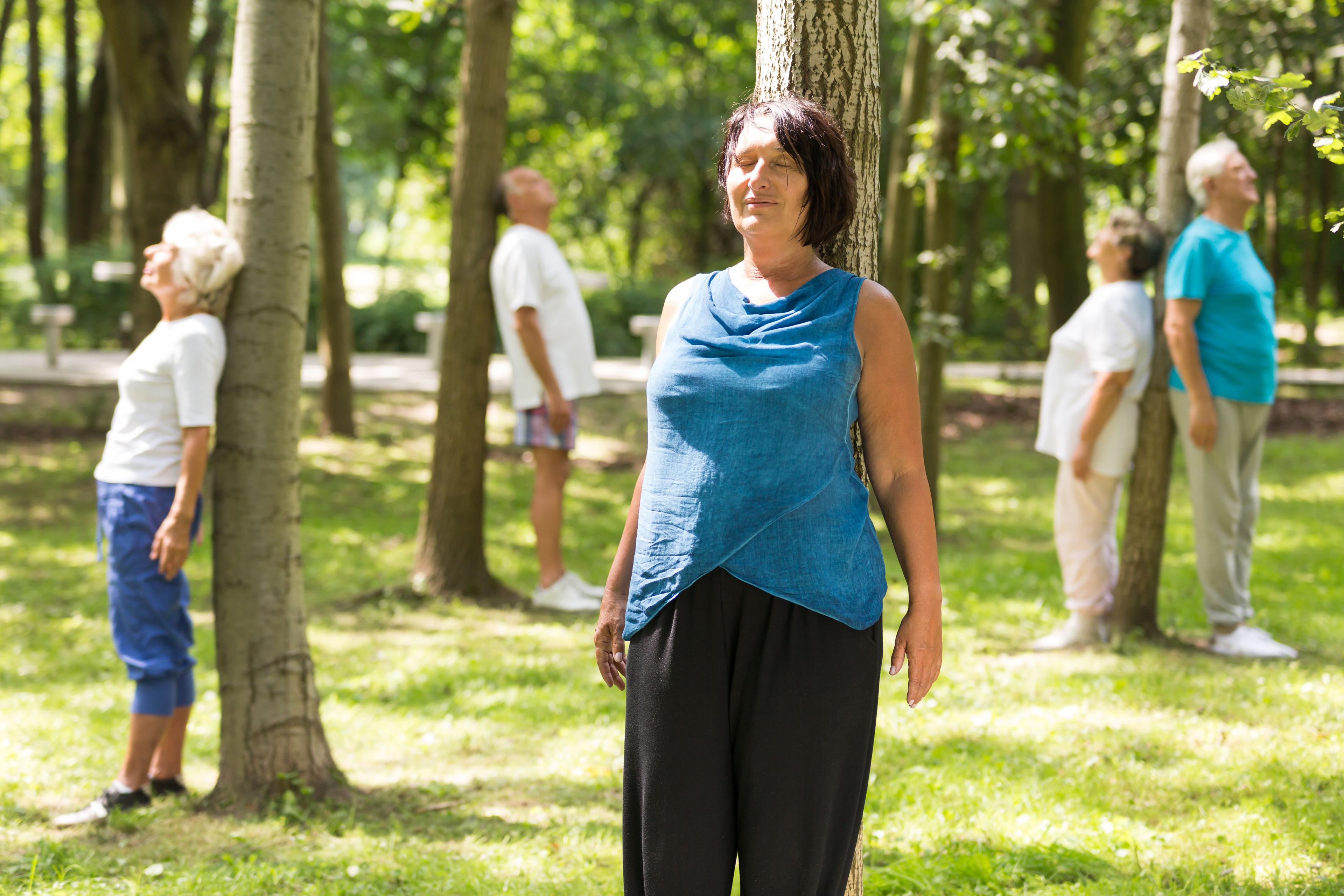
Mindful Tai Chi can feel like a moving meditation: quiet attention, steady breathing, and simple movements done with care. Practicing outdoors—especially in Tucson’s desert light—can make it easier to feel grounded and connected to the environment around you.
Where to Practice Mindful Tai Chi in Tucson
Tucson offers quiet outdoor spaces, meditation communities, and movement-based wellness resources that can support mindful Tai Chi practice.
Parks for Mindful Movement
- Himmel Park — A central park with open lawn areas and pockets of shade that can be good for personal practice.
- Gene C. Reid Park (Randolph Park) — Large space with paths and open areas where you can move slowly without feeling crowded.
- Rillito River Park / The Loop — A long, open trail system that can work well for walking, breathing, and simple standing practice.
- Tohono Chul — A quieter, garden-like setting that many people find naturally calming (verify access rules and best practice areas).
Meditation and Mindfulness Resources
Here are a few Tucson options for mindfulness practice, meditation, and contemplative learning that may complement a mindful Tai Chi routine.
- Tucson Community Meditation Center (TCMC): https://tucsonmeditation.org/ — A Tucson meditation community offering in-person meditation, silent sits, mindful yoga, and related classes. Check the schedule for current offerings.
- Kadampa Meditation Center Arizona: https://www.meditationintucson.org/ — A Tucson meditation center offering drop-in meditation classes, guided meditation, workshops, and Buddhist study.
- The Sol Center / MBSR: https://solcenter.com/the-mbsr-program-in-depth/ — A Tucson mindfulness and MBSR resource offering mindfulness-based programs, meditation, yoga, and related practices.
- The Yoga Connection: https://www.yogaconnection.org/ — A Tucson nonprofit yoga and meditation center offering classes, workshops, and related contemplative practices.
- Wat Buddhametta – Tucson Buddhist Meditation Center: https://www.awaminstitute.org/copy-of-wat-buddhametta-meditation — A Theravada Buddhist monastery, temple, and meditation center in Tucson. Check the linked page or current website information for updated activities before attending.
Always check each organization’s current schedule, location, and offerings before attending.
A Simple Mindful Tai Chi Practice to Try
- Stand comfortably and notice your breath.
- Feel your feet connect with the ground.
- Move slowly through one Tai Chi posture or a simple weight shift.
- Notice one sensation, such as the hands, breath, feet, or spine.
- When the mind wanders, gently return to the movement.
- End by noticing how your body feels.
Learn Mindful Tai Chi in Tucson, Arizona
If you’d like to explore Tai Chi as a mindful movement practice, join a beginner-friendly class with Old Pueblo Tai Chi in Tucson, Arizona.
View the current class schedule here:
New to Tai Chi? Start here:
Bridging Theory to Practice
Try This Today: The Centering Breath of Stillness
60 seconds
Somatic Intent: Pause right now to anchor the wisdom of this article directly in your physical body.
- 1Rest both palms over your navel center (Dan Tian).
- 2Soften your gaze and allow your shoulders to drop away from your ears.
- 3Inhale softly into your palms, sensing warmth expanding in the lower abdomen.
- 4Exhale and feel your heels connect into the ground below.
* Always work within your personal comfort zone. There is never any forcing, straining, or breath-holding in Tai Chi.
Old Pueblo Tai Chi — Traditional Yang & Sun Style Classes
Culture Connects Studio • 3000 E. 22nd Street, Tucson, AZ 85713 • https://oldpueblotaichi.com
Questions about classes? Contact Dan Kimball at dan@oldpueblotaichi.com or (520) 222-8232
Practice Newsletter
Stay Connected with Old Pueblo Tai Chi
Get new articles, practical movement guides, seasonal health insights, and Tucson class announcements delivered to your inbox.
Experience the Practice in Person
Reading about Tai Chi is great, but the true benefits come from moving. Join our welcoming morning classes at Culture Connects Studio in Midtown Tucson.
Culture Connects Studio • 3000 E 22nd St, Tucson, AZ 85713 • Mondays & Wednesdays 10:00 AM – 11:00 AM (Doors open 9:45 AM, arrive 10–15 min early)