Mastering the Circular Single Whip Tai Chi: Step-by-Step Guide
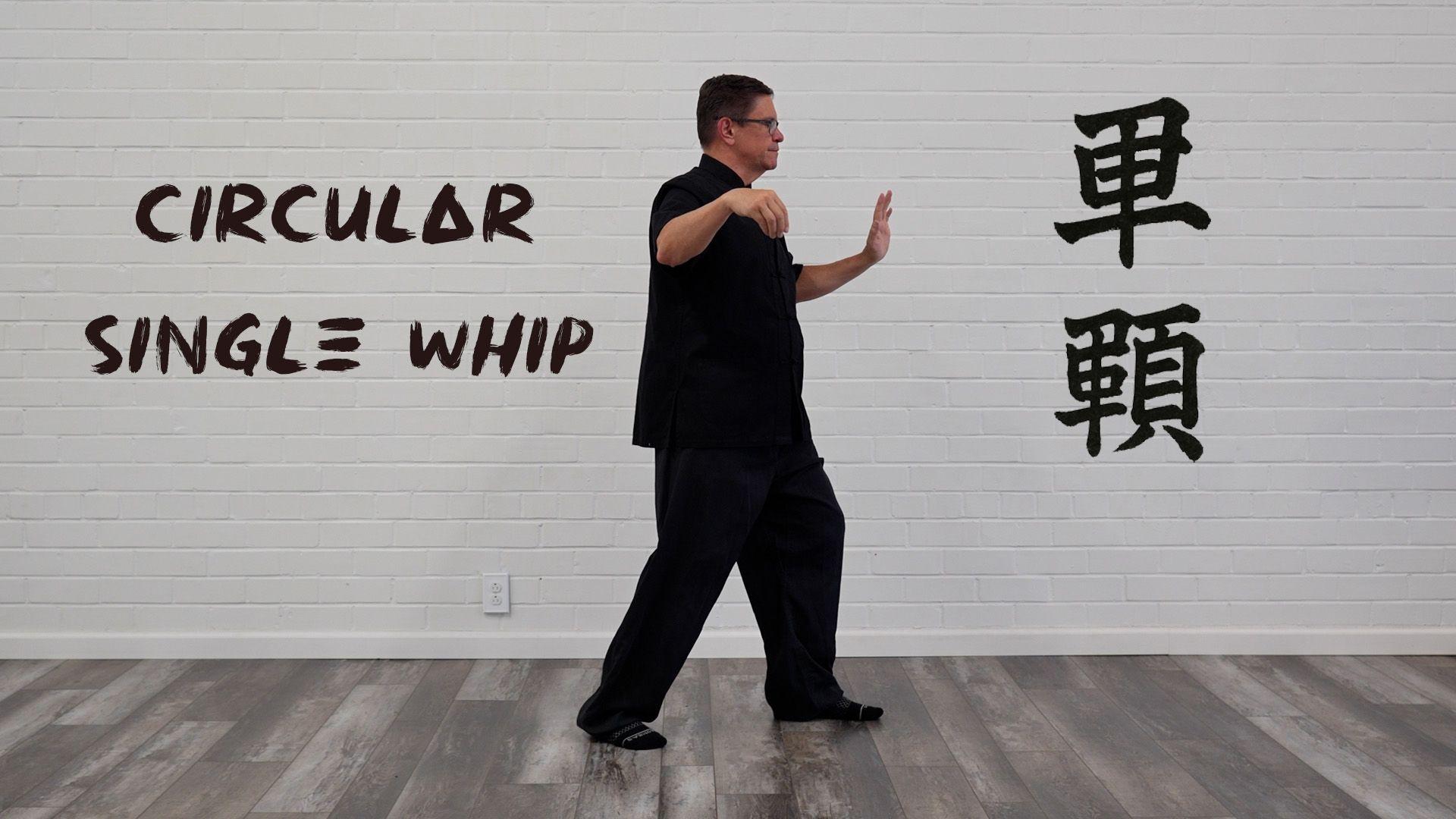
In this article, I demonstrate how to move through the Circular Single Whip Tai Chi posture with clear, practical cues. If you’re a beginner (or you’re returning to practice), this guide is designed to help you feel more stable, coordinated, and relaxed as the movement opens and settles.
You’ll learn what “Circular Single Whip” means in this Wudang Yang Style Tai Chi context, what it trains, and what to watch for so the posture doesn’t turn into an arm-led reach. Use the video first to see the overall shape, then work through the step-by-step checkpoints below to dial in footwork, waist-led turning, and timing.
Quick Answer / Key Takeaways
- What it trains: rooting, coordinated turning, and “whole-body” connection through the waist and back
- Why footwork + waist matter: the hands make sense when your weight shift and torso rotation stay organized
- What beginners should watch for: overreaching, shoulder tension, rushed weight shifts, and losing structure in the hook hand (see Tai Chi posture)
- How to use this guide: watch the video for the big picture, then practice the breakdown slowly with the drills and corrections
If you are new to Tai Chi, you may also want to start with our beginner Tai Chi guide for Tucson students:
/beginner-tai-chi-classes-tucson
Brief History
Single Whip (單鞭 / Dān Biān) is one of the most recognizable and often-repeated movements in Tai Chi, appearing in many major Tai Chi styles — including versions found in Chen, Yang, Wu, Sun, and Wudang-influenced lineages. It is often discussed in relation to early family-style frames and training methods where hooking, striking, and joint control were expressed through expansive posture and coiled energy. Over time, the movement has been refined, and it continues to preserve recognizable martial and symbolic themes across many versions.
Meaning & Symbolism
- Name Origin: The posture evokes the image of snapping a long whip — one hand is the extended lash, the other the handle (hook).
- Symbolism: Expansion in one direction while anchoring in the other — balancing yin and yang, expression and control.
- Traditional Imagery: The whip’s lash = swift outward force; the handle = stable, controlling base.
Core Principles
- Rooting: Final position holds weight primarily in the rear leg, front leg stepping out for stability.
- Opening & Closing (Kai-He): Chest opens with the spread of the arms, subtly closes when settling.
- Yin-Yang Hands:
- Open palm expresses expansive peng energy.
- Hook hand expresses controlling lu or pressing ji energy.
- Spiral Power (Chan Si Jin): Torso rotation connects hands through the spine, generating whole-body “whip” energy.
Key Tai Chi Practice Reminders
Before we get into the step-by-step sequence, it’s helpful to avoid the 7 common Tai Chi mistakes that often limit depth and flow in movements like Single Whip. These reminders are inspired by common Tai Chi teaching themes, including Wudang-style instruction:
1. Moving the Limbs but Not the Body
- Fix: Let the waist lead, arms follow — practice exaggerated waist rotation, then soften.
2. Eyes & Gaze Not Coordinating
- Fix: Let your gaze follow the main hand; this helps unify body and intent.
3. Poor Grounding
- Fix: Step deliberately, feeling each foot connect through the leg into the earth.
4. Rigidity / Lack of Softness
- Fix: Relax joints, keep curves soft, avoid hard angles.
5. Poor Timing Between Limbs
- Fix: Move hands and feet in sync; slow down sections where coordination breaks.
6. Wrong Degree of Posture
- Fix: Avoid overly big or timid stances — find balanced extension and protection.
7. Dropping Martial Structure
- Fix: Maintain a 3-phase framework in slow practice: Gather/Prepare → Root/Launch → Release.
Step-by-Step: Wudang Yang Style Circular Single Whip
A. Prepare & Set Posture
- Sink and settle into your stance.
- Step left into a stable base.
- Form yin-yang hands (left under right), gently “holding the ball.”
- Cue: keep shoulders down and elbows heavy.
B. Ward Off → Roll Back → Press & Pull
- Ward off forward from yin-yang hands.
- Cue: initiate from the waist; let the arms follow.
- Roll back slightly, gathering from the torso.
- Press and pull to set up the preparatory coil.
- (Avoid Mistake #1: move from the waist, not just the arms.)
C. Circular Single Whip Mechanics
- Push hands slightly forward to make space for rear-foot adjustment.
- Shift weight to the front foot, then slide the left foot toward center.
- Raise the left elbow toward heart level as the right hand turns under and the torso returns to center.
- Set the feet angled about 45° toward each other.
- (Avoid Mistake #6: keep a balanced stance — not too big, not too small.)
D. Strike, Scoop & Gather
- Open from the coil and let the left elbow lead the release.
- Drop the left hand, and let the right hand float and gather.
- Scoop as you shift right and reorganize the frame.
- Rise lightly on the left toe and form the hook hand with the right.
- (Avoid Mistake #5: coordinate hand/foot timing — the hook forms as you rise.)
E. Step, Turn & Finish
- Step left and place the foot with control.
- Let the eyes follow the hands as you align the finish.
- Turn the left hand over, shift forward, and press with relaxed power.
- Adjust the back foot into a 45° bow stance.
- Cue: keep the front knee comfortably behind the toes; stay upright and rooted.
- (Avoid Mistake #2: eyes follow the pressing hand to unite intent and movement.)
Footwork & Weight Distribution Drills
- Footwork-only practice: pull back → push → adjust → lean → slide → rise → step → bow stance.
- Grounding drill: Step and hold for three breaths to feel root. (Avoid Mistake #3.)
- For limited ankle flexibility: turn from the torso and bevel the foot — avoid forcing twist.
Hand, Coiling & Breathing Cues
- Left scoops, right gathers — both stay connected to center.
- Pressing hand near heart, hands angled to “see” each other.
- Inhale on gathering, exhale on push.
- Soft gaze follows hands. (Avoid Mistake #4: stay soft, avoid tension.)
Common Mistakes Recap
Use these reminders as a quick checklist:
- Whole-body movement from waist.
- Gaze follows main hand.
- Firm rooting.
- Soft curves over stiffness.
- Coordinated timing.
- Balanced posture size.
- Keep structure through gather → root → release.
Practice Sequence
- Sink, step out, Sun Rises Moon Sets, yin-yang hands.
- Ward off → roll back → press → pull.
- Coil → slide left foot → left elbow up, right under.
- Strike → scoop → gather → shift right → rise on left toe.
- Step, turn hand over, press forward, adjust back foot.
Conclusion
The Circular Single Whip blends Tai Chi’s martial training, symbolism, and internal coordination. When you keep footwork deliberate and let the waist lead, the hands can stay soft, connected, and precise. Practice slowly, use the drills to build consistency, and treat big historical or lineage statements as optional framing unless you’ve verified them.
Learn Tai Chi in Tucson, Arizona
If you’d like help practicing movements like Circular Single Whip with hands-on feedback, join a beginner-friendly Tai Chi class in Tucson, Arizona.
At Old Pueblo Tai Chi in Tucson, I teach movements like Circular Single Whip with an emphasis on balance, relaxed structure, and practical step-by-step learning.
View the current class schedule here:
New to Tai Chi? Start here:
Bridging Theory to Practice
Try This Today: The Centering Breath of Stillness
60 seconds
Somatic Intent: Pause right now to anchor the wisdom of this article directly in your physical body.
- 1Rest both palms over your navel center (Dan Tian).
- 2Soften your gaze and allow your shoulders to drop away from your ears.
- 3Inhale softly into your palms, sensing warmth expanding in the lower abdomen.
- 4Exhale and feel your heels connect into the ground below.
* Always work within your personal comfort zone. There is never any forcing, straining, or breath-holding in Tai Chi.
Old Pueblo Tai Chi — Traditional Yang & Sun Style Classes
Culture Connects Studio • 3000 E. 22nd Street, Tucson, AZ 85713 • https://oldpueblotaichi.com
Questions about classes? Contact Dan Kimball at dan@oldpueblotaichi.com or (520) 222-8232
Practice Newsletter
Stay Connected with Old Pueblo Tai Chi
Get new articles, practical movement guides, seasonal health insights, and Tucson class announcements delivered to your inbox.
Experience the Practice in Person
Reading about Tai Chi is great, but the true benefits come from moving. Join our welcoming morning classes at Culture Connects Studio in Midtown Tucson.
Culture Connects Studio • 3000 E 22nd St, Tucson, AZ 85713 • Mondays & Wednesdays 10:00 AM – 11:00 AM (Doors open 9:45 AM, arrive 10–15 min early)